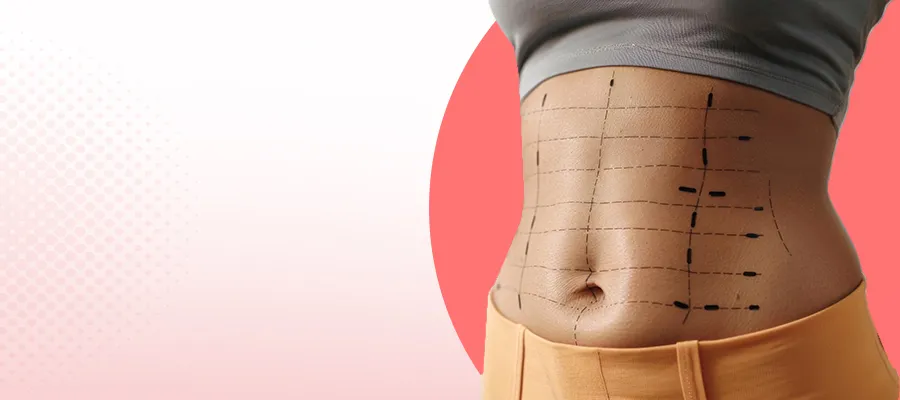
Liposuction is one of those procedures everyone’s heard of but most don’t really understand. When you start seriously thinking about it, specific questions come up. Is it safe? What does recovery involve? Will the results last?
How Safe Is Liposuction?
The procedure has been performed for decades. Techniques have improved significantly over time. When done correctly, complications are uncommon. There’s still risk, as with any surgery, but it has a strong safety record.
Who performs your surgery matters enormously. A qualified plastic surgeon in a proper surgical facility is one thing. Someone without proper credentials working in a questionable setup is entirely different. That gap can’t be overstated.
Your health plays into safety too. Decent health, no smoking, no significant medical issues – that makes you a candidate. It works when you’re already near your goal weight with localized fat that refuses to go away. Not a solution for losing weight overall. Risks are standard surgical ones. Infection, bleeding, fluid buildup, temporary numbness, contour issues. Serious complications are rare but real. Which is exactly why choosing an experienced surgeon and doing what they tell you counts.
What Recovery Looks Like
The first few days are rough. Soreness, swelling, bruising. Pain meds help but you still feel pretty lousy. You’ll wear compression garments for four to six weeks. They’re tight and uncomfortable, but they bring down swelling and help skin stick to your new contours. Annoying, but necessary. Take at least a week off work for desk jobs. Physical work requires more time. You can walk around right after surgery, and you should because it prevents blood clots. But strenuous activity is off the table for a while.
Swelling peaks around day three, then starts improving. But significant swelling can last weeks, even months. A lot of people don’t expect this. They think they’ll see results immediately, but instead they’re puffy for quite a while. Final results show up around three to six months.
Light activity starts back up around week three or four. Full workouts usually wait until six weeks. Your surgeon tells you when it’s safe based on how you’re healing.
What Results Look Like
The fat cells removed during liposuction are gone for good. They don’t grow back. That’s the main advantage.
But the fat cells that remain can still expand if you gain weight. Put on several kilos after liposuction and that weight goes somewhere, including treated areas. You won’t look exactly like you did before, but you won’t maintain your results either.
Most people see real improvement once swelling goes down. Clothes fit better. Problem areas look noticeably better.
The change is real, just maybe not as dramatic as you’re picturing. Liposuction targets specific areas – stomach, love handles, thighs, arms, chin. It takes out fat and reshapes those spots.
The scars are tiny, just a few millimeters, and placed where they won’t show much. They fade over time. A year out, most people barely notice them.
What You Should Know
Liposuction is safe in the right hands. Recovery takes a few weeks. Results keep improving for months after. They last if you don’t gain weight. It’s effective at what it’s designed for – getting rid of stubborn fat pockets. It’s not a weight loss tool. It doesn’t address saggy skin. Your satisfaction depends on two things: choosing a good surgeon and understanding what the procedure can actually do









 to the fullest with